Case Studies

Proven Performance Across the Platform

Real Results from Critical Facilities' Projects

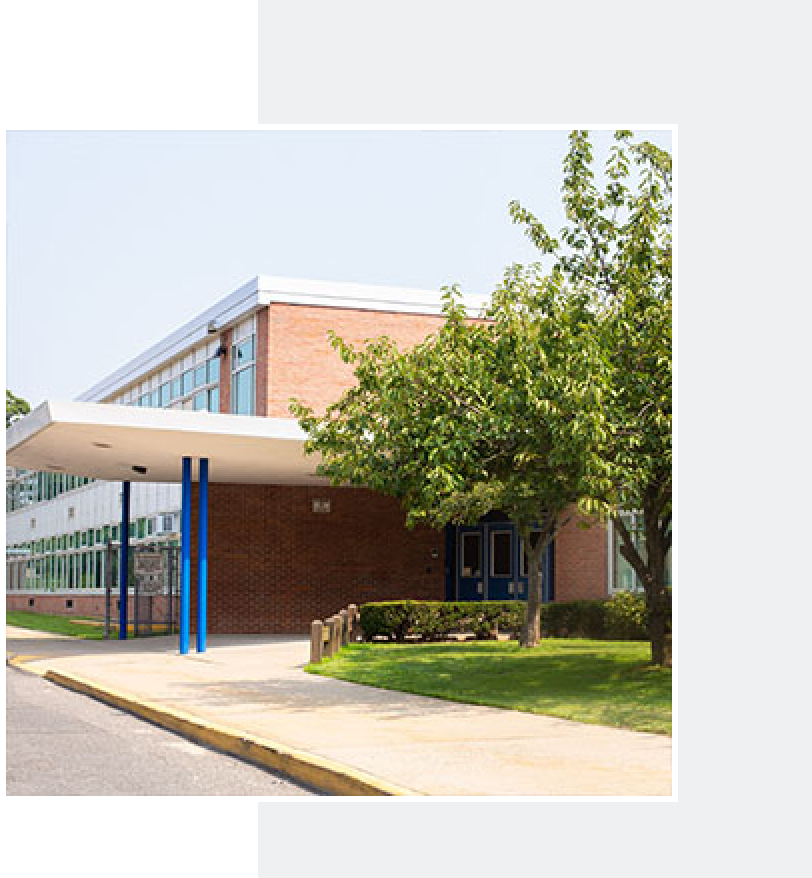
Broadneck Elementary School

Anne Arundel County, MD

HVAC Controls

EASI transformed Broadneck Elementary School's outdated HVAC system into a modern, automated facility that reduced energy costs by 30% while significantly improving occupant comfort.
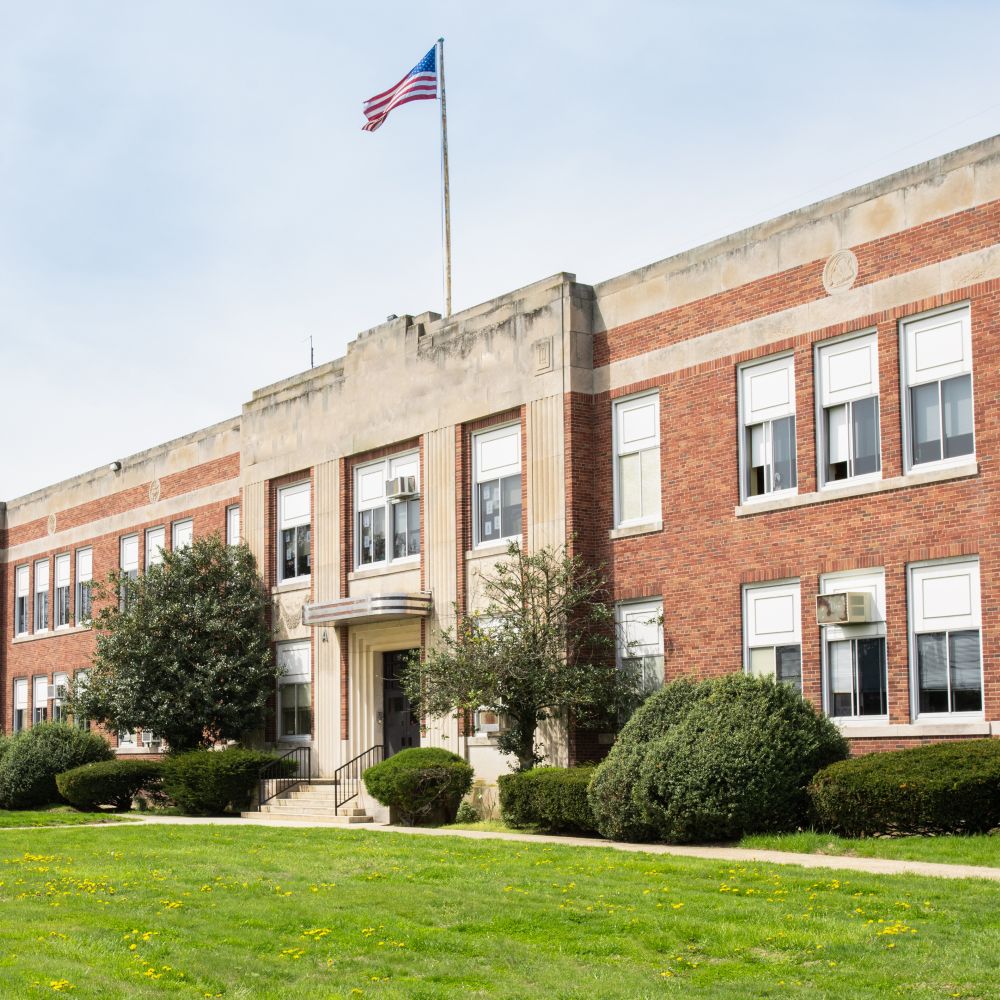
Modernizing an Aging School Building: Automated Solutions for Enhanced Comfort and Efficiency

EASI transformed Broadneck Elementary School’s outdated HVAC system into a modern, automated facility that reduced energy costs by 30% while significantly improving occupant comfort.

Broadneck Elementary School’s 84,111-square-foot facility struggled with 20-year-old HVAC equipment and manual controls that led to inconsistent temperatures, frequent maintenance issues, and excessive energy costs. Staff regularly complained about uncomfortable classroom temperatures, while the maintenance team faced ongoing challenges with equipment failures and inefficient operations.

After a comprehensive facility assessment, EASI identified that integrating modern automation controls with the existing equipment could provide immediate benefits without requiring a complete system replacement. We found opportunities to enhance control over gas heat, improve air distribution, and implement smart scheduling that would significantly reduce energy waste while extending equipment life.

EASI designed and implemented a customized Building Automation System that seamlessly integrated with the existing HVAC infrastructure. We installed new controllers and sensors, created a centralized management dashboard, and programmed intelligent scheduling based on occupancy patterns. Our team also provided comprehensive training to ensure facility staff could effectively manage the new system.

Within the first year, Broadneck Elementary School achieved $37,500 in energy savings through a 30% reduction in energy costs. Temperature-related complaints dropped dramatically, and the automated system extended the life of existing HVAC equipment by 5-7 years.

Prince George’s County Public Schools

Prince George's County, MD

Energy Benchmarking

EASI optimized Prince Georges County Public Schools' underutilized building automation systems through comprehensive retro-commissioning, reducing energy consumption by 20% and eliminating 90% of comfort complaints.
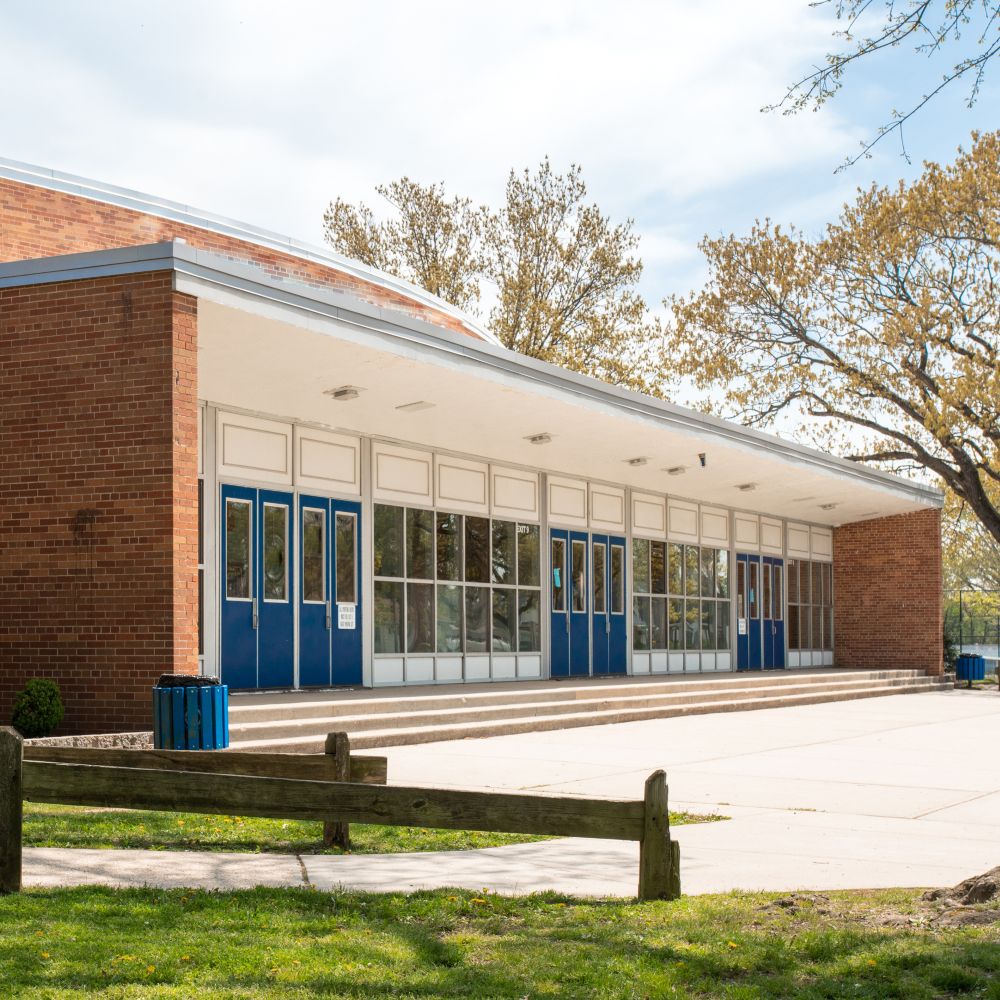
Revitalizing Building Performance: Optimization of Underutilized Systems

EASI transformed Prince Georges County Public Schools’ underperforming building automation systems through comprehensive retro-commissioning, reducing energy consumption by 20% and dramatically improving occupant comfort.
Prince Georges County Public Schools had invested in modern HVAC equipment and automation systems, but these assets were severely underutilized since their initial installation. The buildings suffered from misaligned schedules, inconsistent temperatures, and significant energy waste. Without proper system performance insights, the facilities team struggled to identify and address the root causes of these ongoing issues.
Through a detailed system audit, EASI discovered that despite having capable technology in place, the BAS was not properly configured to match actual building usage patterns. Based on these findings, we implemented a comprehensive retro-commissioning plan that included adjusting HVAC schedules to align with occupancy patterns, calibrating sensors and controllers for accurate readings, and optimizing temperature setpoints and ventilation rates. We enhanced the BAS with advanced reporting tools and dashboards while providing in-depth training to ensure the facilities team could maintain these improvements long-term.
The retro-commissioning project delivered a 20% reduction in energy consumption, generating annual savings of $50,000 and reducing the district’s carbon footprint by 15%. Temperature-related complaints decreased by 90% as comfort conditions improved throughout the buildings. According to Jason Walker, the project was “transformative,” providing not only immediate improvements but also the tools and knowledge needed to maintain optimal system performance going forward.

Anne Arundel County Public Schools

Anne Arundel County, MD

Preventative Maintenance

EASI implemented a comprehensive preventative maintenance program across Anne Arundel County Public Schools' 134 buildings, significantly reducing emergency repairs and extending equipment life.

Transforming School District Operations: A Proactive Approach to HVAC Maintenance

EASI implemented a comprehensive preventative maintenance program across Anne Arundel County Public Schools’ 134 buildings, significantly reducing emergency repairs and extending equipment life.
Anne Arundel County Public Schools faced mounting challenges with their aging HVAC systems, resulting in frequent breakdowns, soaring maintenance costs, and a constant stream of temperature-related complaints. The facilities team struggled to keep up with emergency repairs, creating a backlog of work orders that impacted their ability to handle other critical tasks.
Anne Arundel County Public Schools faced mounting challenges with their aging HVAC systems, resulting in frequent breakdowns, soaring maintenance costs, and a constant stream of temperature-related complaints. The facilities team struggled to keep up with emergency repairs, creating a backlog of work orders that impacted their ability to handle other critical tasks. EASI partnered with AACPS’s Mechanical Systems Department to develop and execute a tailored preventative maintenance program. We established regular maintenance schedules for all HVAC equipment, implemented performance monitoring tools, and provided comprehensive staff training. The program included systematic inspections, proactive repairs, and detailed performance tracking to prevent potential issues before they escalated.
The preventative maintenance program delivered transformative results across the school district. HVAC equipment lifespan increased by an average of 7 years, while work orders and emergency repairs decreased significantly.

Howard University

Washington, D.C.

Winter Emergency

Howard University called on ACI’s ASME-certified team to get their hospital centers back online with a boiler replacement plan after a damaging cold snap.

Getting Critical Systems Back Online in Cold Snap

Howard University, a leading university located in Washington, D.C., has over 12,000 undergraduate, graduate, and professional students on a 257-acre campus with a complex network of hospital and student facilities. A central plant with eight boilers supports the entire campus.
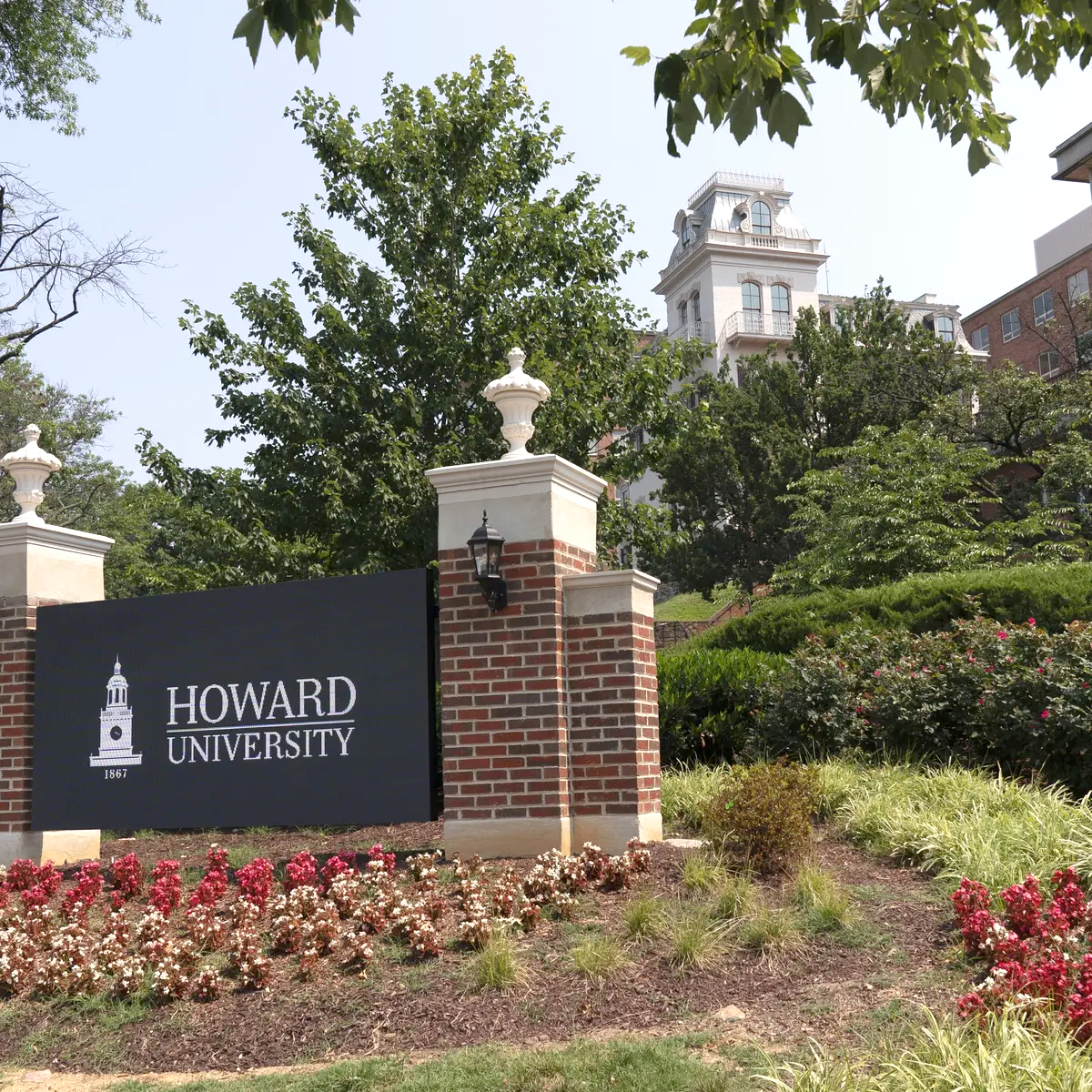
Howard University’s students and patients rely on their complex HVAC system to remain operational. The university needed a partner to provide rapid-response emergency service during abnormally cold conditions in the winter of 2017. The cold snap caused numerous issues throughout their facilities, including failing boilers, gas valves that needed replacement, and pipes that were too damaged by the cold to distribute steam. Getting the hospitals back online was an urgent priority. Howard engaged ACI, and we quickly responded with top technicians and leading HVAC solutions to support the university’s critical systems.
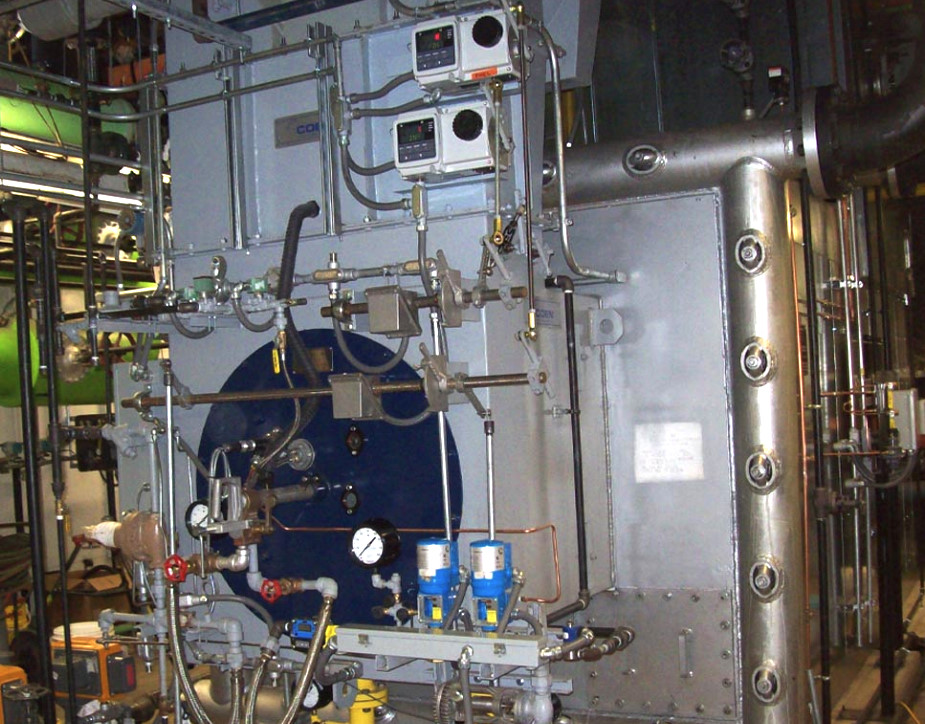
ACI was quick to respond with an ASME-certified team that mobilized eight self-contained 100HP high-pressure mobile boiler rooms to the job site. The team quickly identified the customer’s needs and recommended high-efficiency satellite boilers. Welder and apprentice crews were ready to provide re-tubing services at any hour.

As a direct result of the quality service they received, Howard University engaged ACI long-term as a trusted partner that can be relied on to keep their complex facilities running. The temporary boilers and piping have since been replaced with permanent solutions, and ACI continues to provide routine maintenance and rapid-response emergency service as needed.
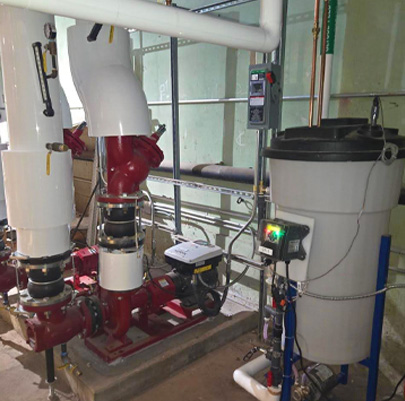
Hamilton-Wenham Regional High School

Hamilton-Wenham, Massachusetts

Boiler Plant Replacement

ATCO replaced aging boiler equipment at Hamilton-Wenham Regional High School, delivering a modern, energy-efficient boiler plant while maintaining uninterrupted school operations.

Protecting a Public School District’s Critical Heating Infrastructure

The Hamilton-Wenham Regional School District serves students and families across the Hamilton and Wenham communities in northeastern Massachusetts. As a public school system responsible for maintaining safe, reliable learning environments, the district depends on uninterrupted heating performance throughout New England’s harsh winter months.

At Hamilton-Wenham Regional High School, the existing boiler plant had reached the end of its reliable service life. Boiler 1 had already been taken completely out of service, and Boilers 2 and 3 had numerous replacement sections, creating growing maintenance challenges and reducing system redundancy. The aging equipment was increasingly difficult to maintain and posed a significant risk of failure during peak winter demand — a scenario that could have resulted in emergency shutdowns or temporary school closures.

Additional challenges included:

  • Existing pumps without variable drives, limiting system efficiency
  • A congested mechanical layout with unnecessary overhead piping
  • Tight access constraints that complicated equipment removal and installation
  • The need to perform all work within an occupied educational facility

The district required a carefully planned replacement strategy that would modernize the heating system, improve efficiency and redundancy, and eliminate the risk of winter outages — all while maintaining uninterrupted school operations.
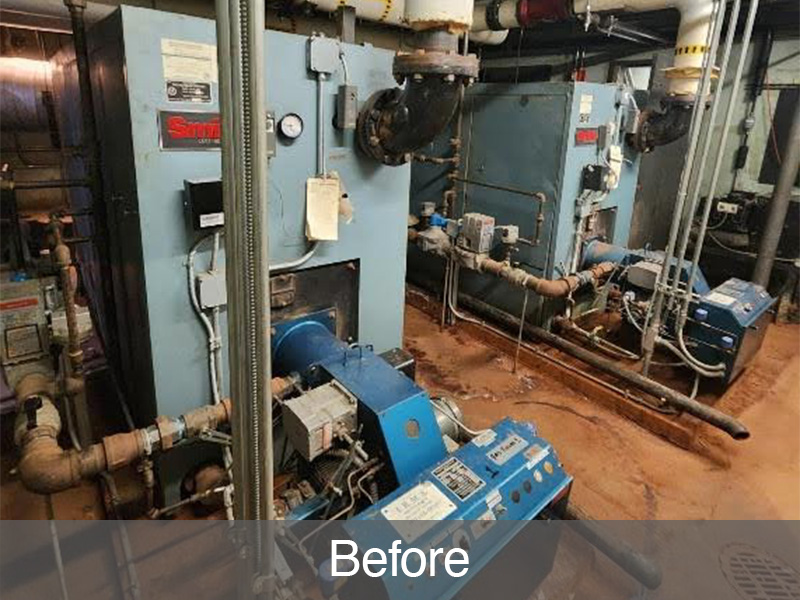
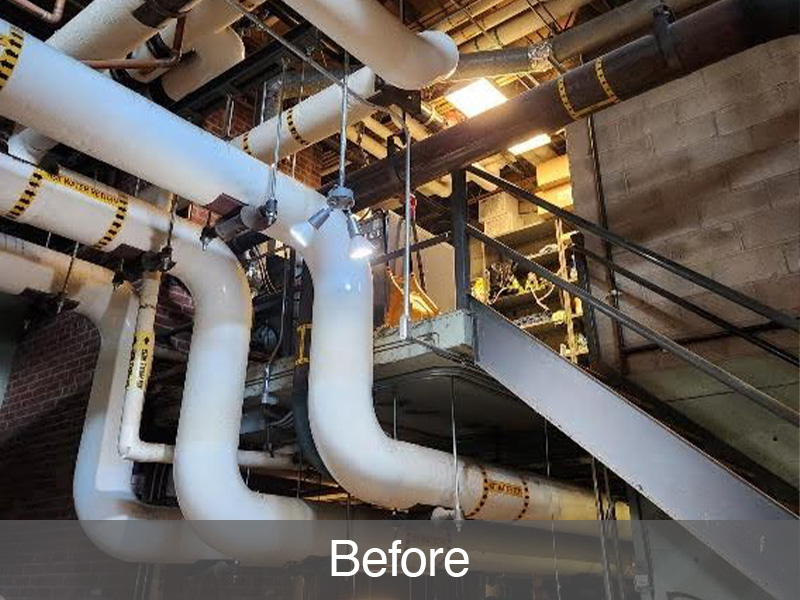
Two older blue commercial boilers with visible burners and piping in a worn mechanical room. Older mechanical room with large white pipes running overhead near a metal staircase and brick wall.


The replacement system was designed by the project’s consulting engineer, and ATCO was awarded the project through a competitive public bidding process in accordance with Massachusetts public procurement requirements.

As the lowest responsible and responsive bidder, ATCO demonstrated the technical qualifications and project approach required to successfully execute the installation within an active school environment.

ATCO’s scope included:

  • Demolition and dismantling of existing boiler equipment for removal
  • Installation of new boilers and associated hydronic piping systems
  • Integration with the existing heating distribution system
  • Installation coordination within tight-access mechanical spaces
  • Startup support and commissioning coordination
  • Collaboration with subcontractors, suppliers, and facility personnel

Because access limitations prevented standard equipment delivery, ATCO installed a fixed gantry inside the boiler room to allow the new boilers to be set in place without dismantling them — preserving equipment integrity and improving installation efficiency.

ATCO also streamlined the new layout by eliminating unnecessary overhead piping, creating a cleaner, more serviceable configuration that enhances long-term maintainability.

Careful construction sequencing and coordination ensured that the school remained operational throughout the project.


The completed boiler plant now provides Hamilton-Wenham Regional High School with:

  • Improved system reliability and redundancy
  • Increased energy efficiency compared to legacy equipment
  • Reduced maintenance risk and lifecycle costs
  • Stable, dependable winter heating performance
  • A clean, organized, serviceable mechanical layout

By eliminating the risk of heating failure and modernizing critical infrastructure, ATCO delivered a long-term solution designed for durability, efficiency, and ease of service.

Most importantly, the project was completed without disruption to school operations — demonstrating ATCO’s ability to execute complex mechanical upgrades in occupied public facilities with precision and care.
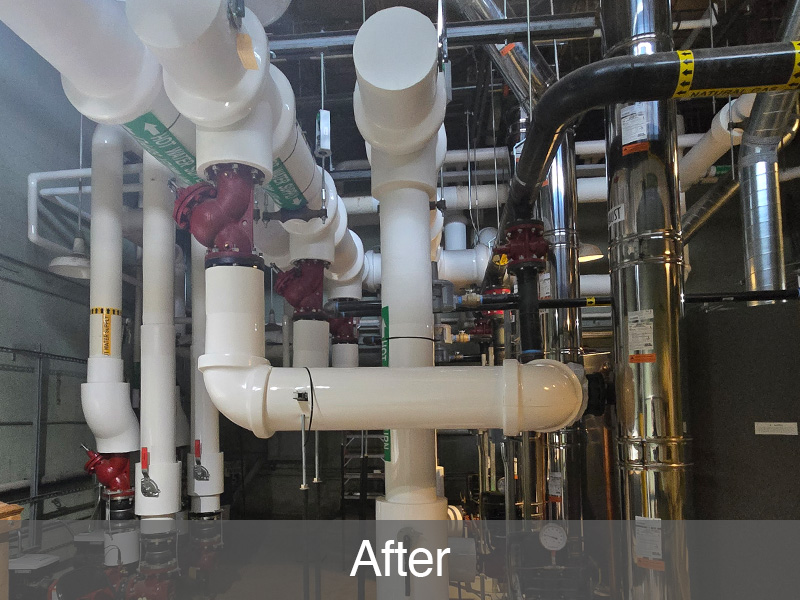
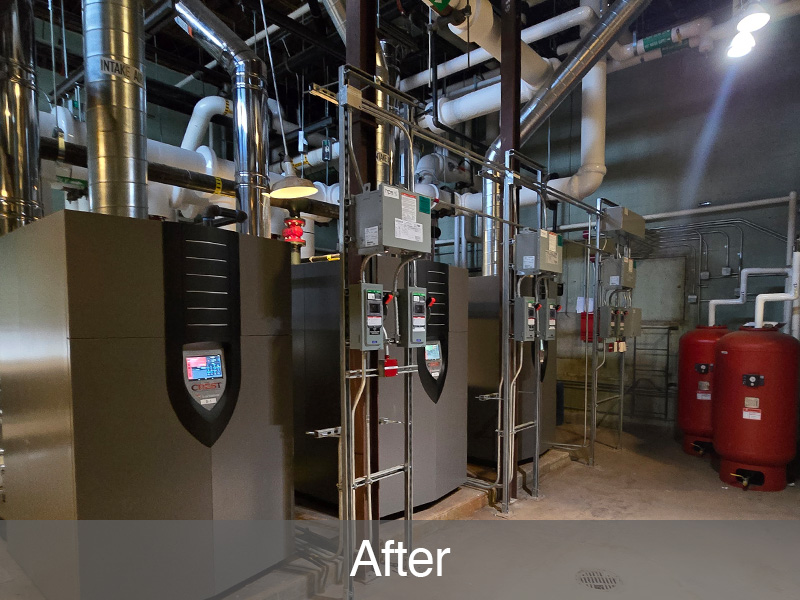
 

Mechanical room with large white insulated pipes running along the ceiling and walls, connected by red valves and fittings. Row of modern high-efficiency commercial boilers with digital control panels, installed beneath exposed piping and ductwork.

We’re growing our team. Please join us in welcoming our newest hires!

JPG logo
  • Napia Daniels
  • Casey Fenton
  • Timothy K. Gessler II
  • Gregory P. Gick Jr.
  • Jonathan J. Martinez
  • Stanley Moore Jr.
  • Kajuan Neale
ACI logo
  • Ryan Abner I
  • Rylan Bender
  • Hayden Boyd
  • Danel A. Cepeda
  • Dominic A. Echino
  • Justin Elliott
  • Nicholas L. Forbes
  • Shane Harris
  • Jacob Howell
  • Austin J. Lathroum
  • Gavin Luckett
  • Michael McMullen
  • Jonatan O. Ralda-Gramajo
  • Richard Williams
thermaserve logo
  • Mary Bineh Amabo Evangelista
  • Samuel S. Bolinger Jr.
  • Gage O. Crews
  • Jessica G. Cribbs
  • Kyle P. Dermody
  • Tim S. Brown
  • Thomas C. Galtieri
  • Bruce C. Graham Jr.
  • Kolton L. Harvey
  • James A. Hendrix
  • David W. King Jr.
  • Benjamin Kunkel
  • Robert McNeil
  • Patrick Price
  • Ryan Rosenberg
  • Luke A. Sandberg
  • Tyler Smith
  • Austin L. Ward
  • Kyle Williams
smith boughan logo
  • Heather L. Carter
  • Joseph E. Carter
  • Xerxes X. Eyerly
  • Darin C. Gillespie
  • Austin C. Freytag
  • Joshua Hicks
  • Robert Kennedy
  • James M. Lopez
  • Landyn C. Lopez
  • Colson M. Jones
  • Caleb B. Pfeiffer
  • Paul D. Taylor Jr.
  • Keghan A. Vanmeter
gfs logo
  • Emely Casasola-Amaya
  • Benjamin C. Johnson
  • Samantha N. Reed
atco logo
  • Shane B. Doucette
  • Jeffrey K. Groth
Easi logo
  • Shane B. Doucette
Exigent logo
  • Damian J. Childress
  • Lisa Milton Kerr